

Planning Diwali gifts for your clients, partners, or employees?
We’ll help you choose Diwali gifts that fit your budget and brand—quick, simple, and hassle-free. Just reach out to our team and we’ll take care of the rest.
 4.8 out of 5 ★★★★★ by 1100+ brands
 Hiring new employees takes time and money, but keeping them is even more important. Many companies focus on recruitment and forget that retention is what truly builds a strong team.
The core problems usually come from unclear expectations, limited career paths, poor recognition, and weak manager training.
These issues shape the everyday experience of employees and influence how long they choose to stay.
This guide explains the most reliable retention strategies and how to apply them simply and consistently.
1. Competitive Pay and Benefits
Competitive pay and benefits show employees that the company values their skills and hard work. When pay is fair and aligned with industry standards, employees feel respected and treated equally. Strong benefits such as medical cover, paid time off, parental support, and wellness programs create long-term security and reduce financial stress.
This makes employees more confident about staying with the company instead of searching for a better offer elsewhere. Fair pay also helps prevent internal conflicts and increases trust in leadership.
👉 Order Corporate Gifts For Long Service For Your Employees
Implementation level: Run a yearly market salary and benefits analysis.
Action items:
- Review current industry salary ranges to understand fair compensation levels for each role.
- Identify and fix pay gaps for roles that are behind the market.
- Add benefits employees value, such as medical cover, flexible leave, or wellness support.
- Communicate pay structure clearly so employees know how salary decisions work.
- Set a regular salary review cycle to make pay updates predictable and fair.
2. Strong Onboarding Program
A good onboarding program sets the tone for the employee’s entire journey. It helps new hires understand their role, team expectations, company culture, and the tools they will use. When onboarding is structured and clear, employees feel supported from day one.
A strong onboarding experience also improves job satisfaction and reduces the common risk of early resignations, which usually happen because employees do not receive the support they need in their first few weeks.
👉 Many companies now give welcome kits to new hires to improve their first-day experience. At TapWell offers ready-to-customize New Joinee Kits with branded office essentials, drinkware, tech items, or apparel, all delivered quickly to any location.
Implementation level: Create a standard onboarding system for all roles.
Action items:
- Share a welcome pack before the joining date to help new employees prepare.
- Provide a 30, 60, and a 90 day plan that explains tasks, goals, and learning expectations.
- Assign a buddy to guide the new hire through processes and tools.
- Schedule weekly check ins during the first month to solve doubts and give support.
- Provide basic technical and role specific training in the first two weeks.
3. Career Growth and Internal Mobility
Employees tend to stay longer when they have a clear understanding of their future within the company. Career growth gives them a sense of direction, while internal mobility allows them to explore new opportunities without leaving. This strategy sets up a system where employees can move vertically (promotions) or horizontally (role or department change). It also formalizes the process for considering internal applicants before external hiring.
Companies reward top performers with branded merchandise, premium hampers, certificates, corporate awards and trophies to mark meaningful achievements.
With 4000+ gifting options including trophies, medals, plaques and fully customized awards, TapWell helps HR teams organise monthly, quarterly or annual recognition cycles with fast delivery and direct shipment to employees.
👉 Download your free corporate gifting brochure
Implementation level: Publish clear career paths for all job families.
Action items:
- Create career ladders that show levels, required skills, and promotion criteria.
- Share open internal roles before hiring from outside.
- Discuss long term career goals with employees in one on one meetings.
- Support employees with training or shadowing to prepare for higher roles.
- Allow cross-team transfers to give employees new challenges.
4. Continuous Learning and Skill Development
Continuous learning gives employees a chance to upgrade their skills and stay relevant as the industry changes. When a company invests in training, workshops, certifications, and mentorship programs, employees feel valued and supported. Skill development program also helps employees perform better, reduce gaps in knowledge, and prepare them for future roles.
Implementation level: Create yearly training plans for every department.
Action items:
- Identify key skills required for each role and team.
- Provide access to online courses, workshops, and mentorship programs.
- Set learning goals for each employee and review progress regularly.
- Allocate training hours so employees can learn without work pressure.
- Support certifications by giving time or covering costs when possible.
5. Manager Training and Leadership Development
Managers directly influence an employee’s daily work experience. When managers are skilled, supportive, and fair, employees feel safe, motivated, and understood. Leadership development programs help managers build strong communication, problem solving, coaching, and conflict resolution skills.
Implementation level: Conduct quarterly leadership and manager training.
Action items:
- Train managers to give clear instructions and honest feedback.
- Teach managers how to manage workloads and set realistic goals.
- Build coaching skills so managers can help employees grow.
- Collect feedback about managers through team surveys and take action if needed.
- Organize leadership discussions where managers share best practices.
6. Recognition and Reward Systems
When employees receive appreciation at the right time, they feel seen, valued, and motivated to continue their good work. Rewards add extra encouragement by giving something meaningful in return. A strong recognition system reduces the feeling of being ignored, which is one of the top reasons employees lose interest in their job.
Implementation level: Set up a regular recognition and reward cycle.
Action items:
- Create categories for recognition, such as teamwork, innovation, or leadership.
- Use clear and transparent criteria to judge performance.
- Appreciate employees publicly during meetings or through announcements.
- Introduce peer-to-peer recognition to create a positive culture.
- Offer rewards such as certificates, bonuses, vouchers, or special project opportunities.
7. Work Life Balance and Flexibility
Employees stay longer when they have the freedom to balance their work and personal life. Flexibility helps them manage family needs, health issues, daily routines, and unexpected responsibilities without stress. When employees are not overworked, they stay happier, healthier, and more productive.
In fact, flexible hours, hybrid work, and reduced meeting time create space for focused work and personal well-being.
Implementation level: Offer flexible scheduling for roles that allow it.
Action items:
- Allow employees to set flexible working hours where possible.
- Offer remote or hybrid work options for eligible roles.
- Reduce unnecessary meetings and set meeting-free hours for focused work.
- Monitor workloads and adjust tasks when employees feel overwhelmed.
- Encourage employees to take breaks, use leave days, and maintain healthy routines.
8. Employee Feedback and Listening Culture
This strategy collects employee opinions and uses them to improve the workplace. When employees feel heard, trust increases and problems reduce. A listening culture catches issues early before they turn into resignation plans.
Implementation level: Run structured feedback surveys every quarter.
Action items:
- Use simple surveys to collect honest feedback on satisfaction, workload, and leadership.
- Share survey results openly with employees to build transparency.
- Identify 3 to 5 major issues and assign owners to fix them quickly.
- Hold open discussion sessions where employees can talk directly to leaders.
- Track progress by comparing survey results quarter to quarter.
9. Strong Company Culture and Values
A strong company culture creates stability and consistency in how people work together. Clear values guide behavior, decision-making, and communication across all levels of the organization. When employees feel connected to the culture, they build pride and loyalty in their work. It includes defining core values, building culture guidelines, integrating values into daily practices, and setting standards for team interactions.
Implementation level: Integrate company values into daily actions.
Action items:
- Define values clearly and explain what each value looks like in everyday behavior.
- Include values in onboarding and performance reviews.
- Recognize employees who follow company values through rewards or public praise.
- Encourage open communication through team meetings and regular updates.
- Organize team bonding activities to build strong relationships.
10. Well-being and Mental Health Support
It includes wellness guidelines, support channels, access to professional assistance, and regular activities that promote health. Also, the well-being support program defines how the company responds to stress, burnout, and personal challenges in a systematic way.
Implementation level: Introduce structured wellness and mental health support.
Action items:
- Provide access to counseling or therapy through internal or external providers.
- Organize wellness sessions such as mindfulness, yoga, or stress management workshops.
- Introduce wellness leave or mental health days to support recovery.
- Train managers to spot early signs of burnout or emotional stress.
- Create a safe environment where employees feel comfortable discussing personal challenges.
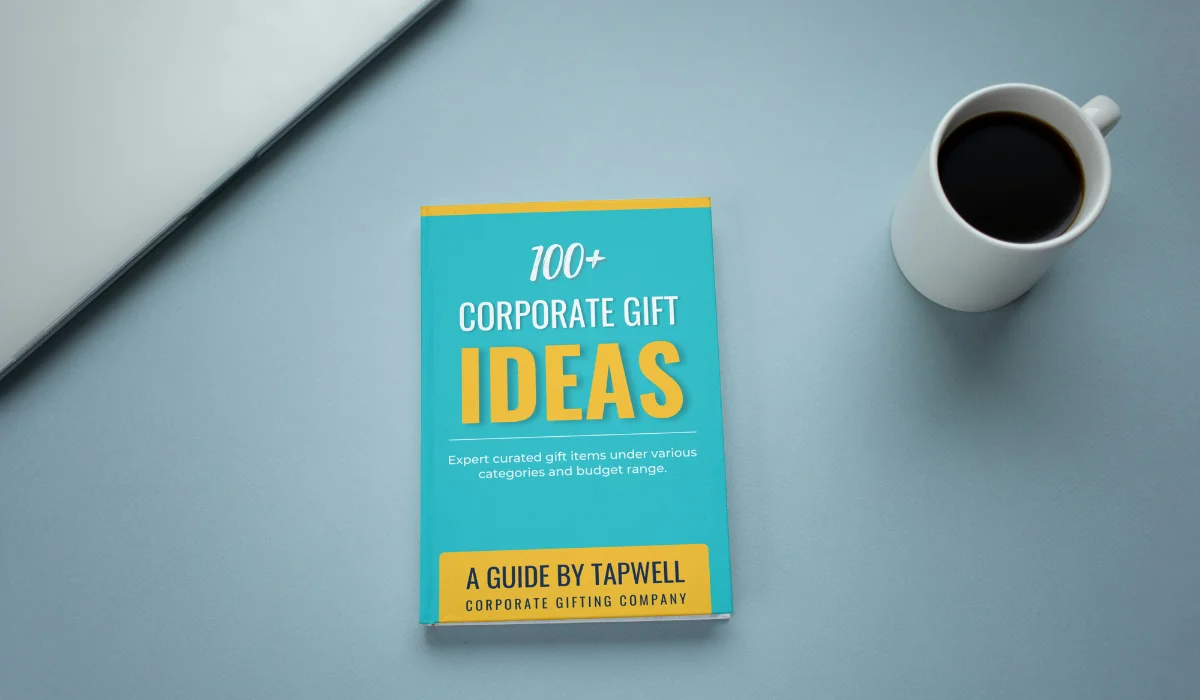
👉 If you want ideas to build better engagement moments through thoughtful gifting, you can explore TapWell’s free guide: 100+ Corporate Gift Ideas on a Budget (PDF).
Final words: What’s next
Improving employee retention is an ongoing process.
Once you put these strategies in place, the next step is to strengthen every touchpoint that shapes the employee experience. This includes how people are welcomed, trained, supported, and recognised throughout their journey in the company.