

Planning Diwali gifts for your clients, partners, or employees?
We’ll help you choose Diwali gifts that fit your budget and brand—quick, simple, and hassle-free. Just reach out to our team and we’ll take care of the rest.
 4.8 out of 5 ★★★★★ by 1100+ brands
 Employee rewards programs help organizations recognize and reward employees for their contributions, achievements, and milestones. However, creating a program that employees genuinely value requires more than simply handing out gifts.
From setting clear goals and budgets to choosing the right rewards and redemption process, every step plays an important role. This guide explains how HR teams can build an employee rewards program that increases participation, improves employee satisfaction, and creates a stronger culture of appreciation.
At TapWell, we have helped dozens of organizations streamline employee rewards and gifting initiatives through customized solutions and company stores.
Our clients include leading brands such as Urban Company, IRCTC, Aditya Birla Group, Cello, Safari, and many others that use employee rewards and gifting programs to improve engagement, recognition, and employee experience.
What Is an Employee Rewards Program?
An employee rewards program is a way for companies to thank and reward employees for their hard work, achievements, and contributions. It helps employees feel appreciated when they reach goals, complete important projects, support their teammates, or celebrate milestones such as work anniversaries.
Employee rewards can include gift cards, company merchandise, gift hampers, experiences, extra time off, or other meaningful benefits. Many companies also combine rewards with recognition, such as employee awards, appreciation messages, or public acknowledgements.
The purpose of an employee rewards program is simple: to show employees that their efforts matter. When employees feel valued and recognized, they are more likely to stay engaged, motivated, and connected to the organization.
How to plan your employee rewards program?
Here is a step-by-step process to help you build an effective employee rewards program.
Step 1: Define the Purpose of Your Rewards Program
Before selecting rewards, identify what you want the program to achieve. Different organizations use rewards programs for different reasons. Some want to improve employee engagement, while others focus on increasing retention, boosting performance, encouraging teamwork, or strengthening company culture.
For example, if employee turnover is a concern, you may want to reward long service milestones and employee contributions. If your goal is to improve collaboration, you can create rewards around teamwork and peer recognition.
Having clear objectives helps you build a program that supports business outcomes rather than becoming another HR initiative that employees overlook.
Step 2: Understand What Your Employees Actually Want
One of the biggest reasons employee rewards programs fail is because companies choose rewards without asking employees what they value.
Employees have different preferences based on their age, lifestyle, interests, and career stage. Some may appreciate gift cards and experiences, while others may prefer electronics, travel accessories, wellness products, branded merchandise, or home essentials.
Before finalizing your reward options, gather feedback through employee surveys, focus groups, pulse surveys, or informal conversations with managers. This simple step can significantly improve participation and satisfaction because employees are more likely to engage with a program that reflects their interests.
Step 3: Decide What Behaviors, Achievements, and Milestones Will Be Rewarded
Employees should clearly understand what actions or achievements can earn rewards. If the criteria are unclear, employees may perceive the program as unfair or inconsistent.
Create a list of behaviors and milestones that align with your company values and business goals. These may include:
- Outstanding performance
- Teamwork and collaboration
- Events and occasions such as New Year, Diwali, Women’s Day, etc.
- Customer service excellence
- Successful project completion
- Work anniversaries
- Learning and certification achievements
- Employee referrals
- Leadership contributions
Document these criteria and communicate them clearly to managers and employees. Transparency helps build trust and encourages greater participation.
Step 4: Set a Realistic Rewards Budget
Your budget determines the scale and long-term success of your employee rewards program. Instead of looking only at the total annual budget, think about how rewards will be distributed throughout the year. Employees should feel appreciated consistently rather than only during a single event or occasion.
Start by identifying the recognition activities you plan to run.
For example, you may want to allocate a portion of the budget for monthly recognition awards, quarterly performance rewards, work anniversaries, festival gifting, employee appreciation initiatives, and annual recognition programs.
When setting your budget, consider factors such as the number of employees, reward frequency, employee levels, and the types of rewards you plan to offer.
In fact, many organizations provide different reward values based on milestones, performance achievements, or employee segments.
Step 5: Build a Diverse Reward Catalog
A rewards program is much more effective when employees can choose from multiple reward categories rather than receiving the same gift.
Consider offering options such as:
- Gift hampers
- Electronics and gadgets
- Travel accessories
- Drinkware
- Office essentials
- Wellness products
- Home and kitchen items
- Branded merchandise
- Gift cards
- Premium experiences
The wider the selection, the higher the chances that employees will find something they genuinely want.
At TapWell, organizations can access a catalog of more than 4,000 corporate gifting products across multiple categories.
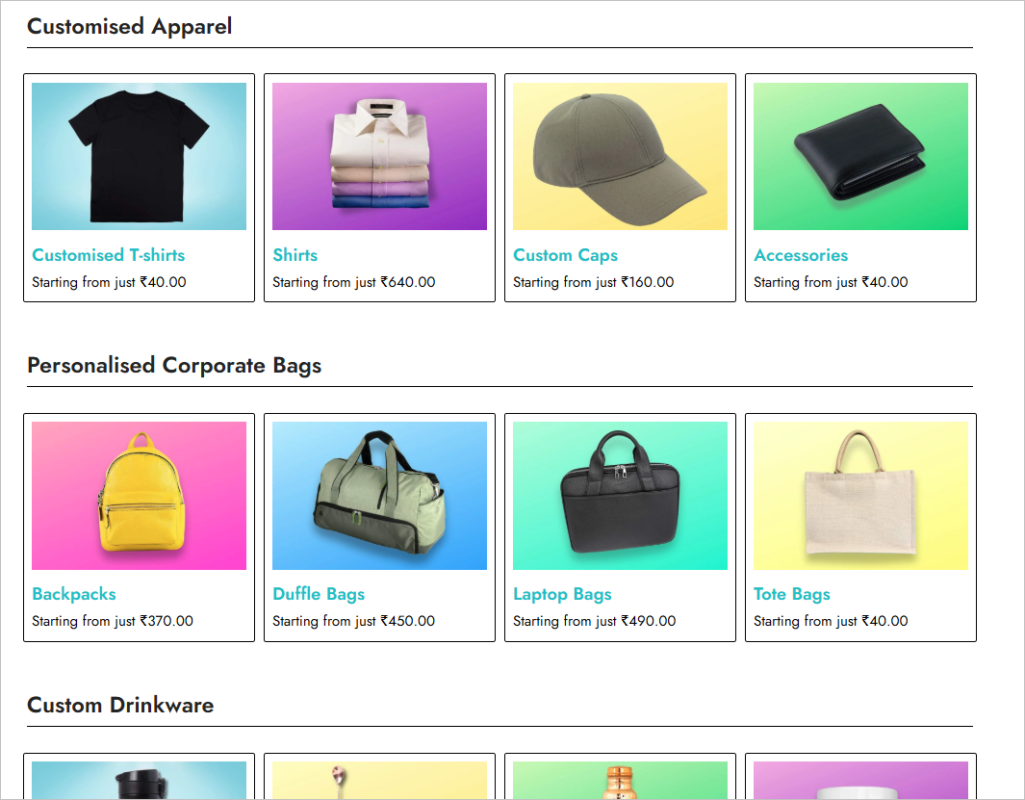
This allows HR teams to create reward programs that appeal to diverse employee preferences without managing multiple vendors or suppliers.
Step 6: Create a Simple and Fair Reward Process
A rewards program should be easy to understand and participate in. If employees need extensive training just to use the program, engagement will suffer.
Create a simple process that answers the following questions:
- Who can nominate employees?
- How are winners selected?
- How often are rewards given?
- How are rewards distributed?
- How can employees redeem rewards?
At the same time, ensure fairness by applying the same criteria across departments and teams. Employees should feel confident that rewards are based on contributions and achievements rather than personal relationships or manager preferences.
Step 7: Give Employees Choice Through a Custom Company Store
Instead of manually selecting gifts for every employee, consider using a custom company store.
A custom company store is a branded online rewards and gifting platform where employees can log in and choose their preferred rewards from a curated catalog. Rather than receiving a gift selected by HR, employees receive reward points or a budget and can redeem products that match their interests.
This approach solves many common challenges associated with traditional employee rewards programs.
Employees get:
- More flexibility and choice
- A better redemption experience
- Rewards they genuinely want
HR teams get:
- Simplified reward management
- Better budget control
- Centralized reporting
- Easier reward distribution
- Reduced administrative work
⭐ Introducing TapWell’s custom company store:
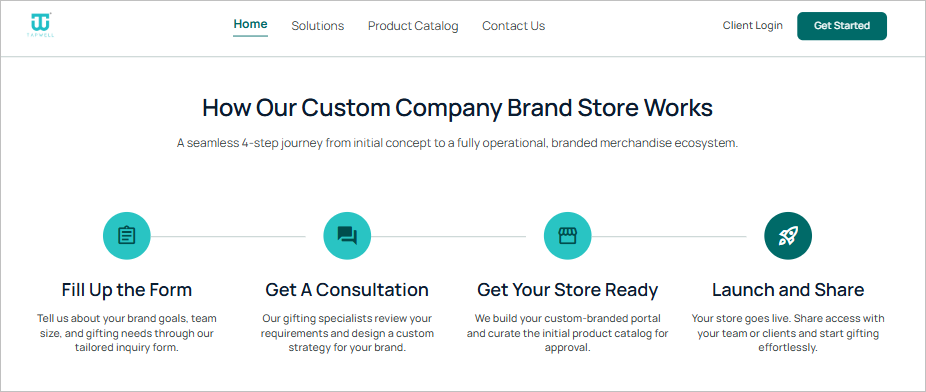
TapWell’s Custom Company Store allows organizations to launch a fully branded rewards and gifting platform without setup costs. Companies can customize the store with their branding, assign different reward budgets to different employee groups, and give employees access to thousands of products from a single platform.
Instead of spending time selecting individual gifts, HR teams can focus on recognition while employees enjoy the freedom to choose rewards that are meaningful to them.
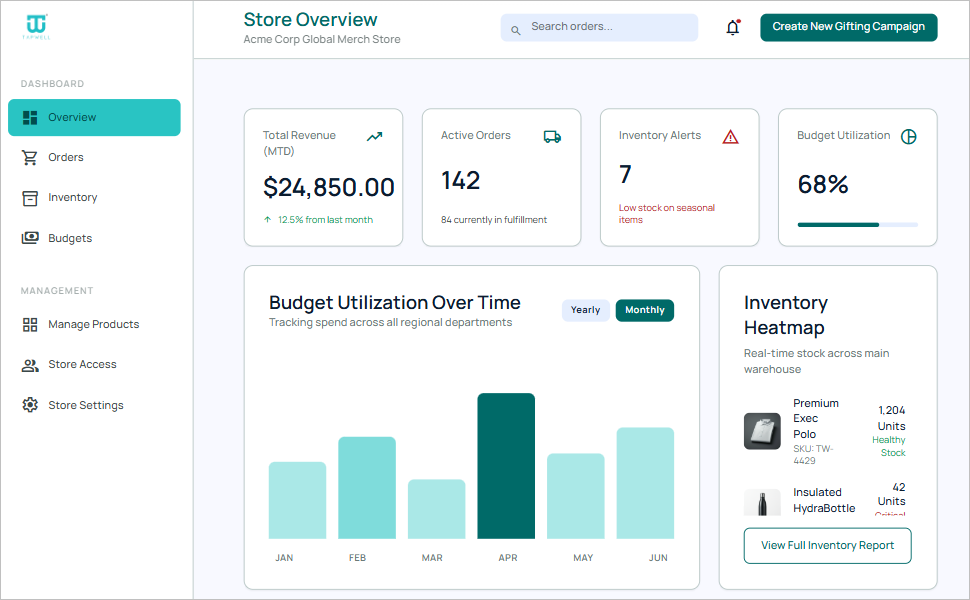
With company custom store, you can also measure the employee participation rate through custom dashboard like the following:
Step 8: Launch and Communicate the Program Effectively
Even the best rewards program can fail if employees do not understand how it works.
Before launch, create a communication plan that explains:
- Why the program was created
- What achievements are recognized
- How employees can participate
- How nominations work
- What rewards are available
- How rewards can be redeemed
Promote the program through emails, team meetings, internal newsletters, leadership announcements, and employee engagement platforms.
Regular communication keeps the program visible throughout the year and encourages managers and employees to actively participate. The more awareness employees have about the program, the more value your organization will receive from its investment in employee recognition and rewards.
How TapWell’s Company Store Supports Employee Rewards Programs
TapWell’s Company Store helps HR teams run employee rewards programs without the challenges of manually selecting gifts, managing vendors, or coordinating deliveries.
It is a branded online rewards platform where employees can redeem rewards from a catalog of more than 4,000 products based on their personal preferences.
Instead of giving the same gift to everyone, organizations can assign reward points or budgets and allow employees to choose what they value most. This creates a more personalized experience while improving participation and satisfaction.
The platform also helps organizations manage budgets, track redemptions, simplify delivery across locations, and support initiatives such as employee recognition, work anniversaries, onboarding, festival gifting, and performance rewards from a single centralized system.