
Companies must keep employees motivated, engaged, and aligned with business goals to stay competitive.
While goal setting, reviews, and learning are important, recognition plays the biggest role in driving performance.
Modern workplaces now combine performance strategies with corporate gifting to make employees feel valued.
Personalized and meaningful gifts reinforce appreciation, improve morale, and boost loyalty.
This guide explains how companies can link performance management with recognition and gifting to create a stronger, more motivated workforce.
1. Setting Company Objectives, Team Goals, and Individual Key Results (OKRs) for Alignment
Tech companies use OKRs (Objectives and Key Results) to connect the company’s vision with everyday work. A company sets a broad objective, teams break it into achievable goals, and individuals define key results to measure progress.
For example, if the company’s objective is to improve customer satisfaction, a team goal might be reducing response time. At the individual level, an employee’s key result could be closing 10 support tickets daily.
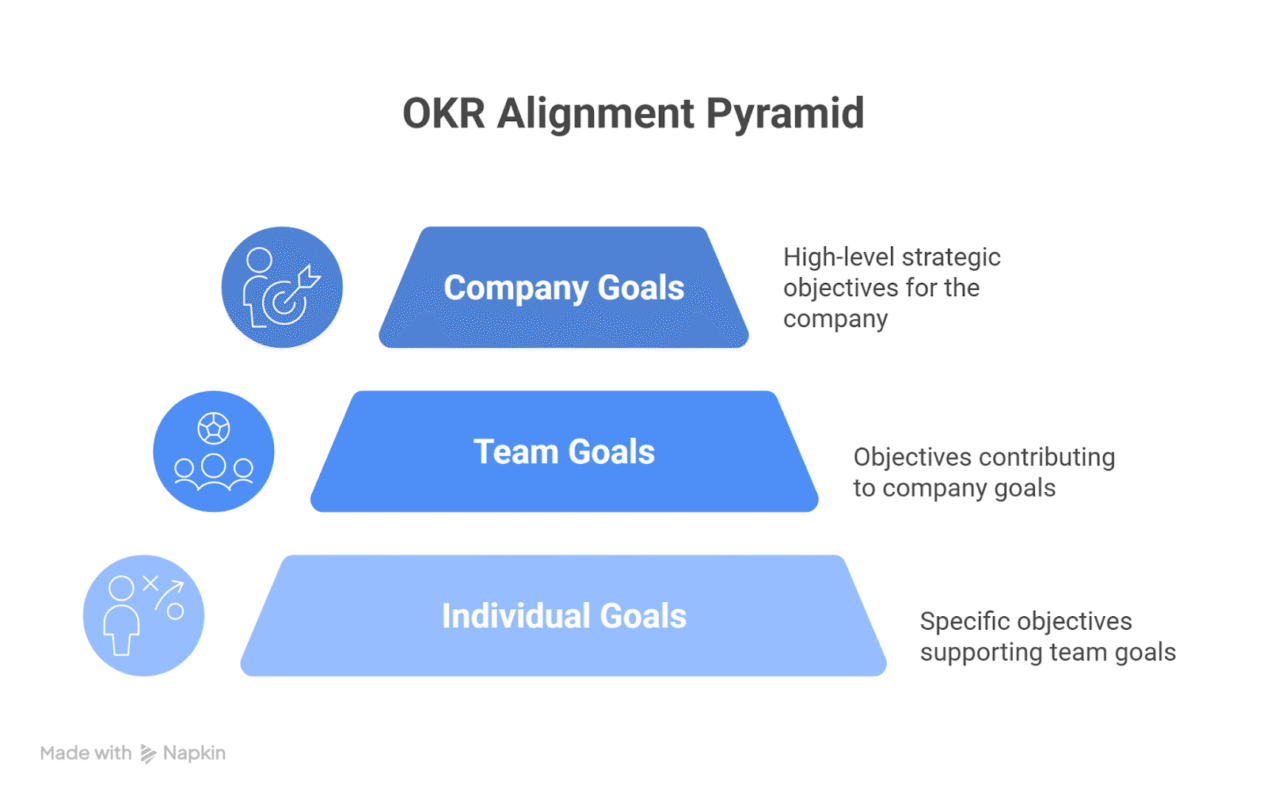
This layered approach ensures that everyone, from leadership to entry-level staff, works in the same direction. It makes performance measurable and fair.
2. Conducting Regular Performance Reviews and Collecting 360-Degree Feedback
Tech companies move too fast for annual reviews. Instead, they use quarterly check-ins and 360-degree feedback to evaluate employees.
In this method, feedback comes from multiple sources: managers, peers, and team members. For example, a project lead may receive praise for technical expertise from peers but also learn from team members that communication needs improvement.
This process makes reviews fairer, reduces bias, and gives employees a complete picture of their performance. Regular reviews also help employees stay on track with company goals throughout the year.
3. Encouraging Continuous Learning and Upskilling to Keep Employees Future-Ready
In technology, skills can become outdated in months. That’s why tech companies prioritise continuous learning and upskilling. They invest in online courses, certifications, mentorship programs, and internal training sessions.
For instance, engineers may take cloud computing certifications while designers attend UX workshops. This not only boosts performance but also shows employees that the company cares about their career growth.
According to Gallup study, organisations who are investing in their employees growth has made 11% more profits than others and twice as likely to retain employees.
Employees feel more engaged when they are given opportunities to learn. Upskilling also reduces turnover, since employees are less likely to leave companies that invest in their future.
4. Using Agile Check-Ins and Weekly Stand-Ups to Track Progress Quickly
Tech companies borrow from agile project management to manage performance. Instead of waiting months for feedback, they use weekly stand-ups and sprint reviews.
These check-ins allow employees to raise issues early. For example, if a developer is facing a coding challenge, the team can solve it immediately instead of waiting until the project deadline.
This approach keeps employees aligned with fast-changing priorities. It also reduces stress because feedback is continuous, not stored up for a single review session. Agile check-ins build a culture of openness and improvement.
5. Using Data Dashboards and Key Performance Indicators (KPIs) to Measure Progress
Tech companies rely on data dashboards and KPIs to measure employee performance fairly. Instead of depending only on opinions, leaders track metrics such as project delivery times, bug fix rates, and customer satisfaction scores.
For example, if a dashboard shows that a team resolved 95% of bugs on time, that proves strong performance. Dashboards also let employees track their own progress and stay accountable.
This data-driven method reduces bias, increases transparency, and gives employees clear goals to work toward. Everyone knows exactly where they stand.
6. Building Recognition and Reward Programs to Motivate Employees
Recognition is one of the simplest yet most powerful performance tools. Tech companies celebrate employees through bonuses, promotions, shout-outs in meetings, and gamified leaderboards.
Even small gestures, such as “Top Performer of the Month,” can have a big impact on morale. Recognition makes employees feel valued and pushes them to maintain strong performance.
For example, we saw this post on LinkedIn, where an employee is thrilled to share her achievement to the public. This acts as a booster for her future performance.
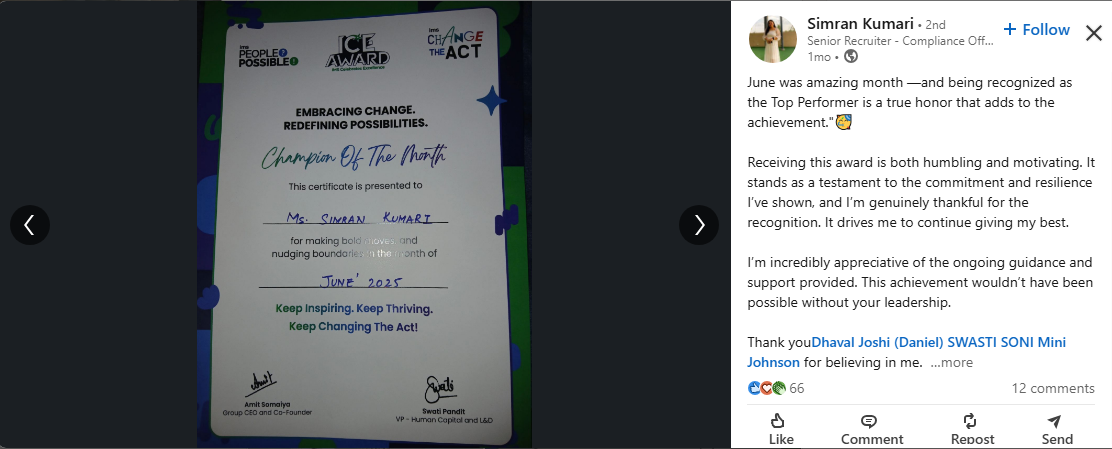
When recognition is consistent and visible, it creates a positive work culture. Employees feel proud of their contributions, which naturally improves engagement and loyalty.
Recognition is also closely tied to company culture and brand identity. Startups, in particular, can reinforce their culture through recognition programs that reflect their values. You can explore more in this detailed guide on branding for startups.
7. Using Enterprise HR Software to Streamline Performance Management
Managing performance across large tech teams is challenging. Spreadsheets and outdated systems often fail because they lack real-time feedback, clear goal alignment, and flexibility. This is why enterprises in the UAE and globally use trusted employee performance management software built for simplicity and scale.
How does corporate gifting improve employee performance?
Corporate gifting is more than a gesture. It is a performance driver that connects recognition with motivation.
When employees feel valued, they deliver better results. Below are detailed ways corporate gifting improves employee performance, supported by Tapwell case studies.
1. Increases Motivation Through Recognition
Employees thrive when their efforts are acknowledged. Recognition paired with a thoughtful gift sends a stronger message than words alone. It shows the company truly values the person, not just the work. This motivates employees to repeat the same performance and even go beyond expectations.
Case Study – Tapwell for a Fintech Client
A fast-growing fintech company introduced Tapwell’s curated hampers for quarterly top performers. Employees reported higher excitement around performance reviews because recognition came with meaningful rewards. Within 3 months, the company saw a 22% jump in employee engagement scores, proving that gifting reinforced motivation.
2. Reinforces Company Values
Corporate gifts can be designed to mirror a company’s values. For example, eco-friendly products highlight sustainability, while wellness gifts promote work-life balance. This highlights the company’s identity and reminds employees they are part of a culture-driven workplace.
Case Study – Tapwell for a Tech Startup
A tech startup used Tapwell’s eco-friendly gift sets to celebrate sustainability milestones. Employees appreciated that the gifts matched the company’s values. This not only made the recognition authentic but also led to a stronger emotional connection with the mission. Employee surveys showed improved retention and cultural alignment within six months.
3. Enhances Peer-to-Peer Recognition
When recognition flows only top-down, it can feel limited. Peer-to-peer gifting enables colleagues to appreciate each other’s contributions in real time. This fosters teamwork, encourages collaboration, and cultivates a supportive work environment that enhances productivity.
Case Study – Tapwell for a Global Consulting Firm
A consulting firm integrated Tapwell’s digital gifting solution into its peer recognition program. Employees could instantly send small appreciation gifts to teammates. Over 6 months, cross-team collaboration scores improved by 18%, and projects were delivered faster because employees felt more valued by their peers.
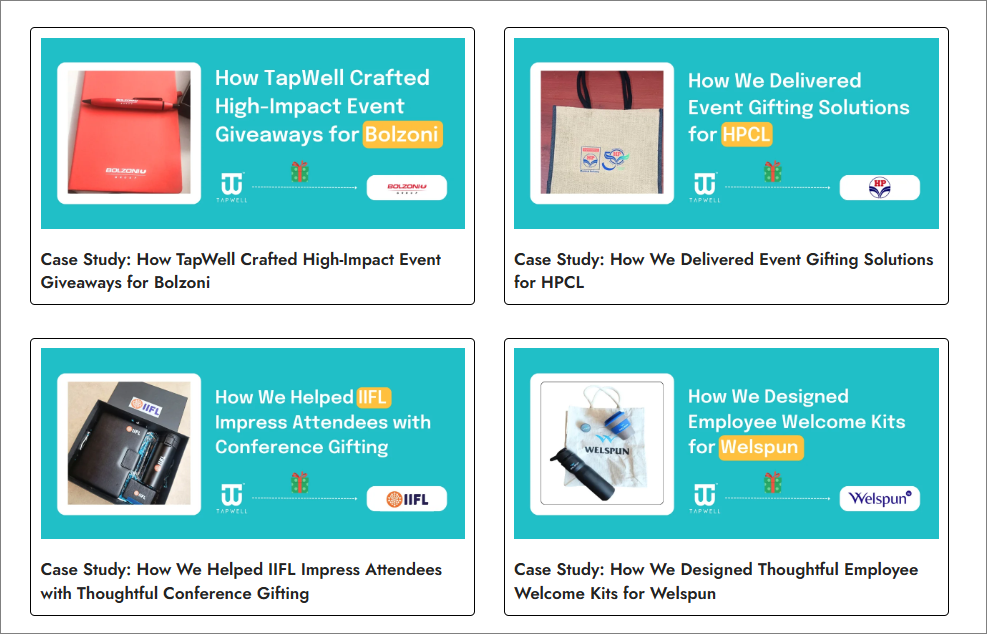
Explore how TapWell helped companies improve their employee performance with corporate gifting:
FAQs
What is employee performance management in tech companies?
Employee performance management is the process of setting goals, reviewing progress, and giving feedback to employees. Tech companies use methods like OKRs, dashboards, and feedback systems to keep employees aligned with business goals. The focus is on continuous improvement instead of just yearly reviews.
How often should tech companies review employee performance?
Most tech companies use quarterly reviews or monthly check-ins. Instead of waiting a year, they give regular feedback through meetings, agile stand-ups, and performance dashboards. This helps employees stay on track, adjust quickly, and improve performance in real time.
Why do tech companies use tools like Yomly for performance management?
Tech companies choose tools like Yomly because they make performance management easier, faster, and more accurate. Yomly helps set clear goals, run reviews, and track performance with live dashboards. It also supports compliance, mobile access, and feedback from multiple sources, making it ideal for enterprises.
How do tech companies motivate employees to perform better?
Companies motivate employees by recognizing achievements, giving rewards, and creating growth opportunities. Recognition can include promotions, bonuses, shout-outs, or leaderboards. Continuous learning programs and fair reviews also make employees feel valued, which boosts engagement and loyalty.
What are the main benefits of using HR performance software?
HR performance software improves goal tracking, feedback, and reviews. It saves time, reduces errors, and gives managers real-time insights into employee progress. Platforms like Yomly also integrate with payroll and HR systems, making them especially useful for large enterprises that need efficiency and compliance.