

Planning Diwali gifts for your clients, partners, or employees?
We’ll help you choose Diwali gifts that fit your budget and brand—quick, simple, and hassle-free. Just reach out to our team and we’ll take care of the rest.
 4.8 out of 5 ★★★★★ by 1100+ brands
 Google builds employee engagement into the employee journey, from the first days of onboarding to manager relationships, learning, coaching, and team interactions. Google does not treat engagement as a single program. It studies how employees experience work, identifies what helps or gets in the way, and uses those findings to improve its people practices.
The examples in this guide show how Google uses feedback, manager development, peer coaching, workplace design, social activities, and recognition to strengthen the employee experience. Here are the key lessons companies can apply to their own workplace.
Here are 13 lessons companies can learn from Google’s approach.
1. Treat employee engagement as an ongoing process
Google does not treat engagement as something to measure once a year. It regularly collects feedback and looks at how employee experiences change over time.
For example, Google surveys new employees at 30, 90, and 365 days.
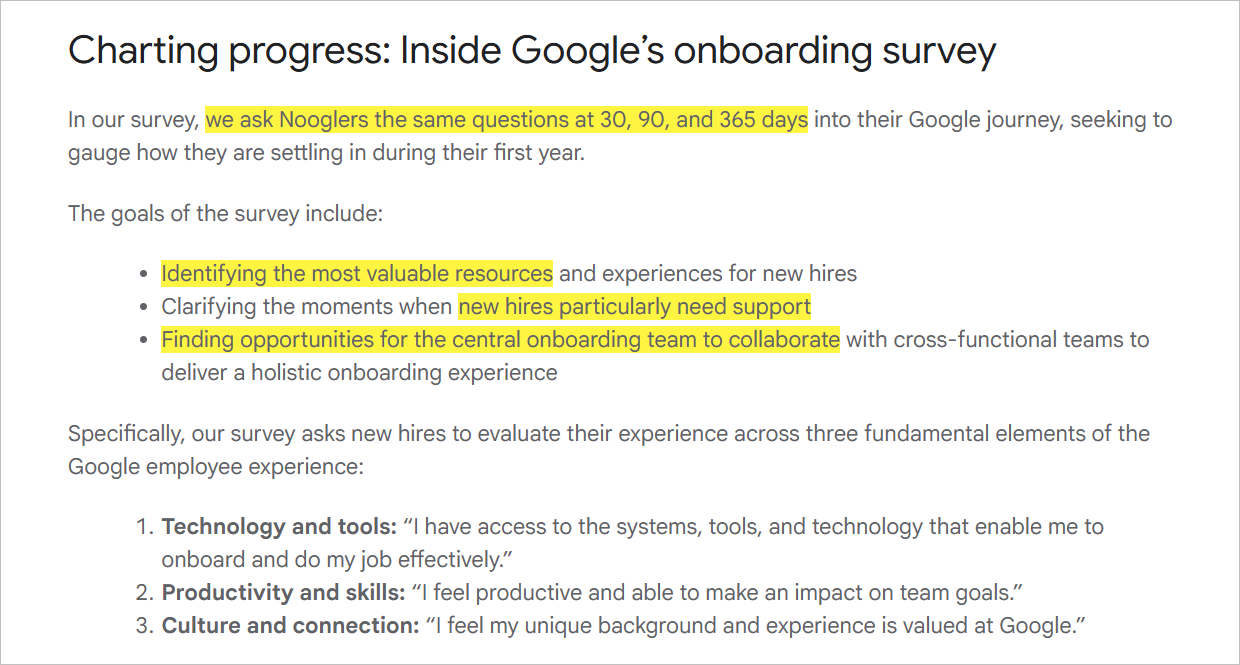
The survey measures three areas such as technology and tools, productivity and skills, and culture and connection. Google says the survey findings have led to more than a dozen changes to its onboarding process over two years.
This matters because employee needs change. What a new employee needs during their first month may be very different from what they need after a year.
What companies can learn: Measure the employee experience at different stages instead of relying on one annual engagement survey.
2. Listen to employees and act on their feedback
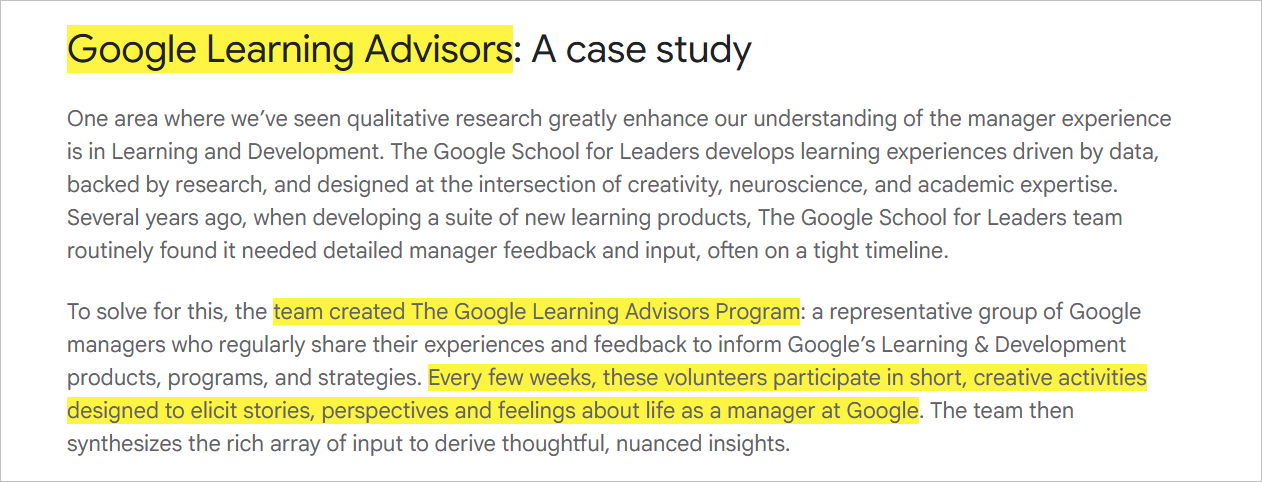
Google combines surveys with direct conversations to understand what employees need. Its Learning Advisors Program, for example, brings together managers who regularly share their experiences and feedback with the teams that create learning programs.
This gives Google two types of information. Surveys help identify patterns across a large group, while conversations help explain why those patterns exist.
Google also creates feedback loops. It makes changes, asks employees for more feedback, and keeps improving the program.
What companies can learn: Asking for feedback is only the first step. Employees need to see that their feedback leads to action.
Further reading:
- 40+ Employee Retention Statistics Every HR Should Know
- How Amazon India Improves Employee Experience
- How to Build an Employee Rewards Program?
3. Build psychological safety
Google’s Project Aristotle found psychological safety to be the most important of the five factors linked to effective teams.
Psychological safety means employees feel comfortable asking questions, admitting mistakes, raising concerns, disagreeing with others, and sharing new ideas without fear of embarrassment or punishment.
This can directly affect engagement. Employees are more likely to contribute when they know they can speak honestly.
Google recommends that leaders acknowledge their own mistakes, stay curious, and treat work as a learning problem rather than simply an execution problem.
This finding from Google’s Project Aristotle research shows why creating a safe environment can be just as important as building a team of talented people.
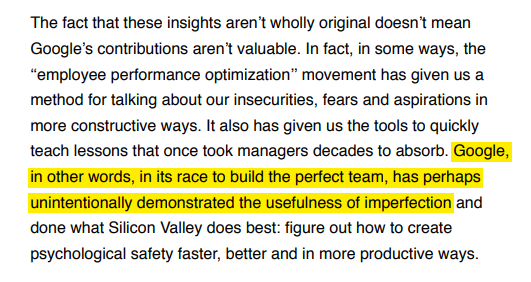
What companies can learn: Create an environment where employees can speak openly without worrying that every mistake or disagreement will be held against them.
4. Give employees clear goals and enough ownership
Google found that structure and clarity matter for effective teams. Employees need to understand their responsibilities, how decisions are made, and what the team is trying to achieve.
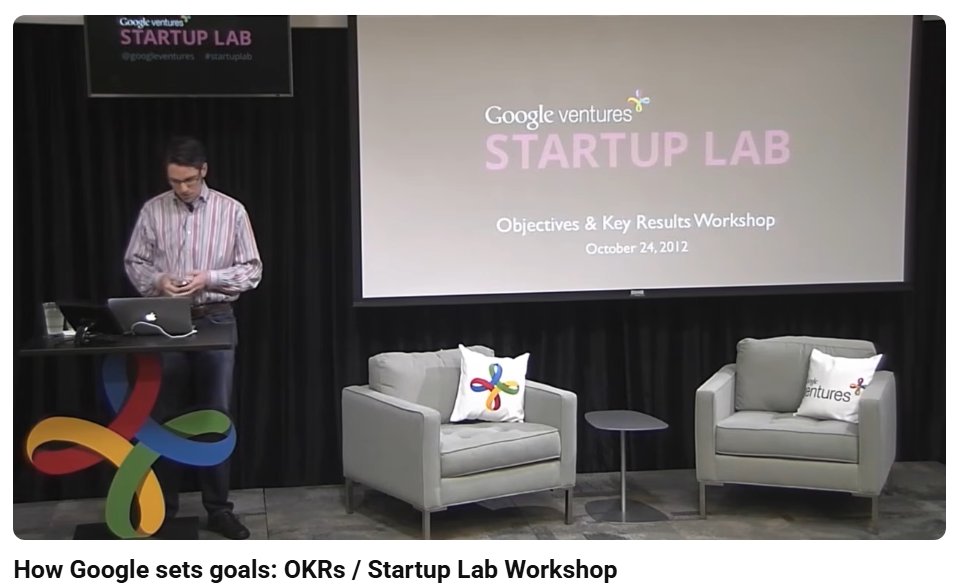
Google uses OKRs to help teams set and communicate goals. At the same time, teams have flexibility in deciding how they will achieve those goals.
This creates a useful balance. Employees know what matters, but they are not given instructions for every small task.
Here’s how Google sets goals/OKRs
What companies can learn: Give employees clear outcomes and expectations, but give them enough freedom to decide how they will achieve them.
5. Make managers responsible for employee engagement
Google’s research shows how important managers are to the employee experience.
Project Oxygen analyzed more than 10,000 data points about managers. Google found that teams with highly effective managers were more likely to achieve better results, have higher job satisfaction, and experience lower turnover.
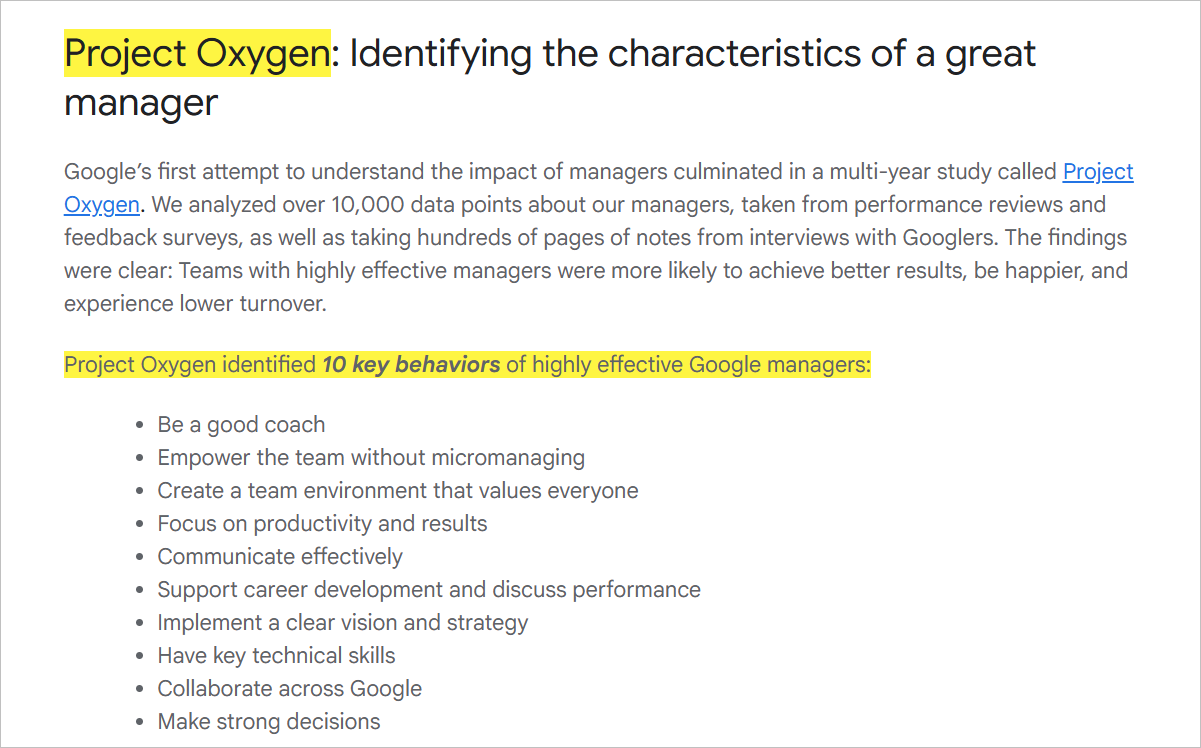
Google eventually organized its expectations for managers into three areas: Deliver Results, Develop People, and Build Community.
This means managers are expected to do more than hit business targets. They also need to develop employees and create healthy team relationships.
What companies can learn: Employee engagement should not be left entirely to HR. Managers have a major role in creating the everyday employee experience.
6. Give employees opportunities to learn from each other
Google does not rely only on managers or external experts for employee development. Its Googler-to-Googler Coaching program allows employees to coach other employees.
More than 2,000 Googlers volunteer as coaches, and the program has reached more than 25,000 Googlers over more than 20 years.
The benefits go both ways. Google reports that 99% of coaching recipients feel more confident after one coaching session. It also reports that 92% of coaches say they are building skills that make them more effective in their main roles, while 96% say they are developing leadership and communication skills.
What companies can learn: Your employees already have valuable knowledge. Give them ways to share it, and both the learner and the person teaching can benefit.
7. Build relationships across teams
Google’s onboarding research found that relationships outside an employee’s immediate working group can support engagement, creativity, innovation, and knowledge sharing.
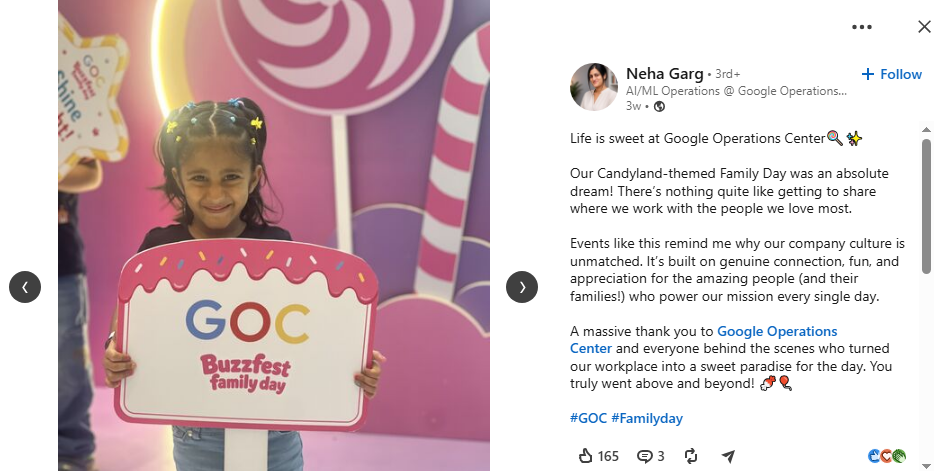
Based on this feedback, Google redesigned local onboarding sessions to include community-building activities and social events. These activities helped new employees meet people from different departments and backgrounds.
For example, they bring employees and their families together through events like Family Day, creating opportunities to connect beyond everyday work. One Google Operations Center employee shares moments from a Candyland-themed Family Day on LinkedIn
This can make it easier for employees to find help, share knowledge, and understand how other parts of the organization work.
What companies can learn: Help employees build relationships beyond their immediate teams. A wider internal network can make people feel more connected to the organization.
Small gestures can also strengthen these connections. Companies can use personalized corporate gifts, new joinee kits, work anniversary gifts, or branded merchandise to recognize important employee moments and make them more memorable.

8. Start engagement from the hiring stage
Google considers candidate experience to include every interaction from the moment an application is received to the job offer or rejection.
Its internal research found that interviewer experience is the strongest driver of candidate satisfaction. Interviewer experience and satisfaction with the length of the evaluation process each contribute about 16% to overall candidate satisfaction.
Google recommends personalizing communication, explaining what candidates should expect, providing interview preparation, and keeping candidates informed during delays.
It even uses “no update updates” when there is no new information to share.
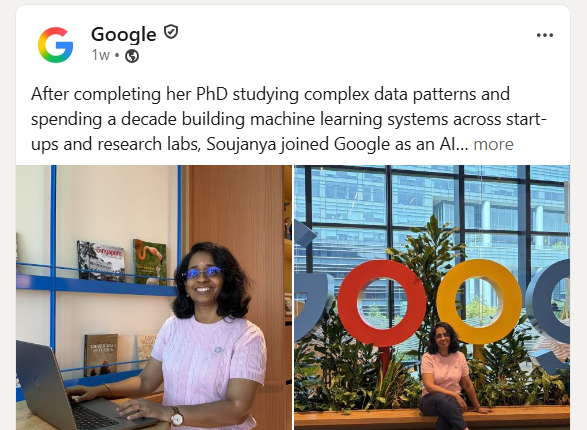
Google extends its welcome beyond the workplace, publicly introducing new hires and highlighting the experience and skills they bring to their new roles.
What companies can learn: Employee engagement starts before day one. The way you treat candidates can shape how they view your company long before they become employees.
9. Create a fair and respectful experience
Google uses structured interviews, trained interviewers, clear evaluation criteria, and detailed feedback to make hiring more consistent.
It also tells interviewers to avoid vague statements, personal judgments, and unrelated ideas about whether someone is a good “fit.”
The same idea applies to employees. People are more likely to trust an organization when important decisions follow clear standards rather than personal preferences.
Google also recommends treating rejected candidates with respect. It encourages timely communication, useful feedback where possible, and clear information about future opportunities.
What companies can learn: Fairness and consistency build trust. People should understand how important decisions are made and what they can do to improve.
10. Create a workplace that supports learning and collaboration
Google also looks at the physical environment where employees learn and work.
Its Schoolhouse learning space uses flexible furniture, natural light, plants, natural materials, music, and areas that can support different types of learning.
The idea is that the physical environment can affect concentration, creativity, interaction, and learning.
Companies do not need Google’s resources to apply this principle. Even simple changes such as better lighting, flexible seating, quiet areas, and spaces for group discussion can make the workplace more useful.
What companies can learn: Design workspaces around what employees need to do, whether that means focused work, collaboration, learning, or informal conversations.
11. Keep testing and improving engagement programs
Google treats its people programs as things that can be tested and improved.
Its onboarding survey has already influenced more than a dozen changes. Its Learning Advisors provide rapid feedback on new learning products. Manager programs are also reviewed and updated as business needs change.
This prevents engagement programs from becoming permanent simply because they have always existed.
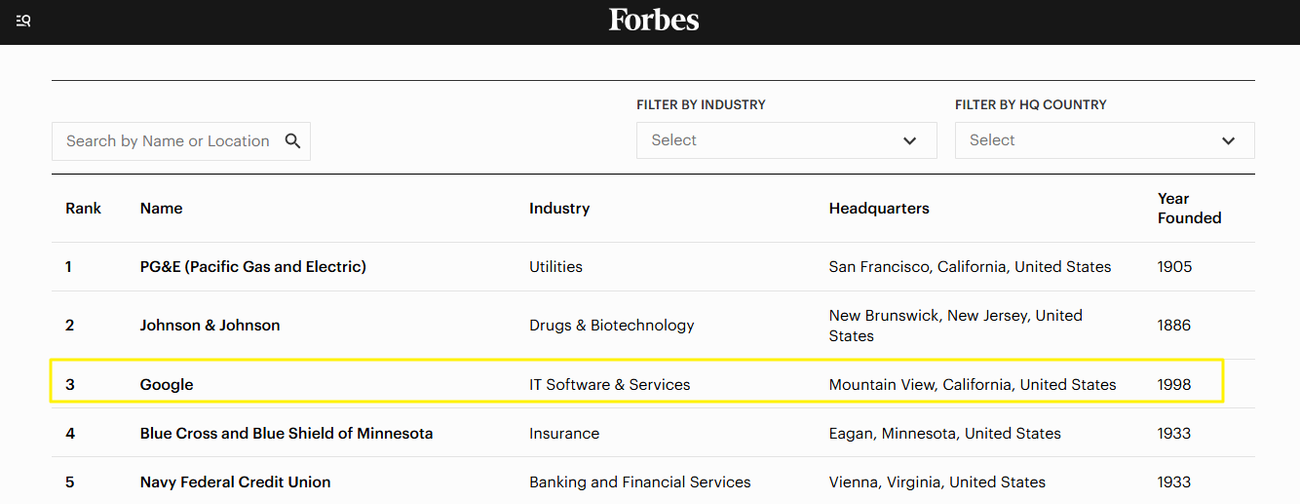
Google’s focus on employee experience also shows up outside its internal research. It ranked #3 on Forbes’ list of America’s Best Employers for Women, based on employee feedback across factors such as career development, parental leave, and work-life balance.
What companies can learn: Do not assume an engagement activity works because employees attend it or because it has been running for years. Measure its value and improve it based on evidence.
12. Lead with transparency during change
Google’s recent leadership guidance adds an important lesson for today’s fast-changing workplace.
Leaders do not need to act as if they have every answer. Instead, they can explain what they know, what they do not know, and how they will work with the team to find answers.
This is especially important as AI changes workflows and the skills employees need.
Google describes this shift as moving from being an expert to being a sense maker. Leaders help employees understand what is changing and how different trends affect their work.
Here’s an example from Google when it announced major leadership changes in its AI division:
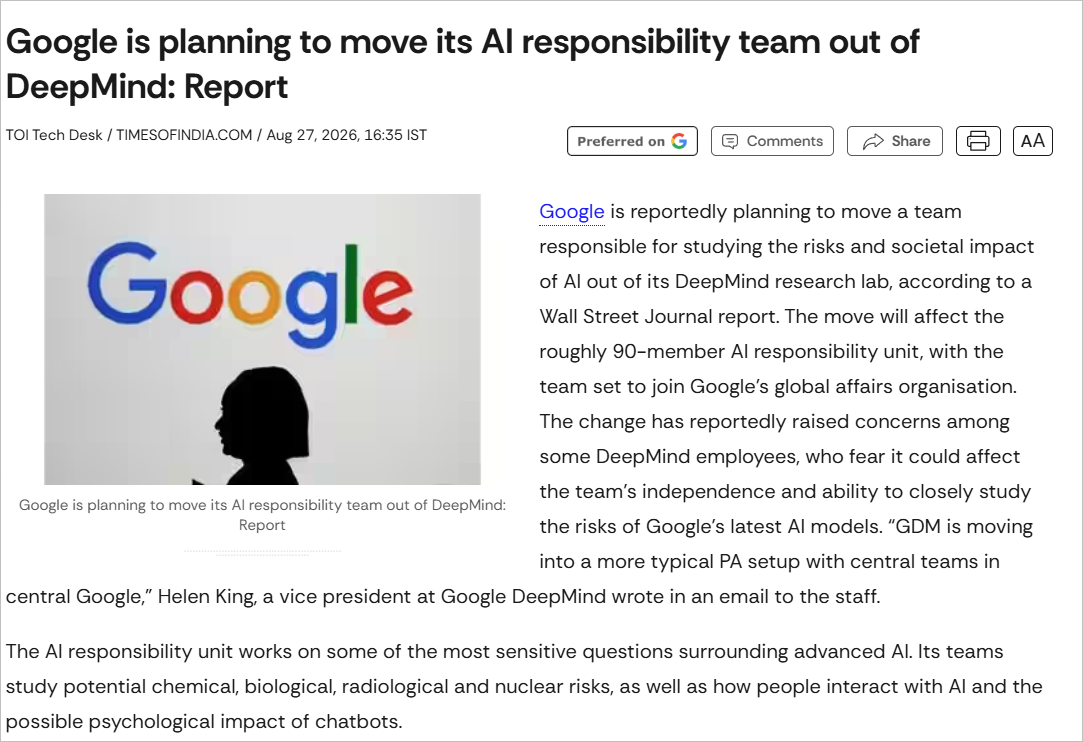
What companies can learn: Transparency can build more trust than false certainty. Leaders can say, “I do not know yet,” while still giving employees a clear way forward.
13. Connect employee engagement with business results
Google’s approach does not treat employee engagement as a separate HR goal.
Project Aristotle found that executives rated effective teams as effective twice as often. Its research also found that sales teams with stronger team effectiveness exceeded their targets by an average of 17%, while less effective teams fell short by up to 19%.
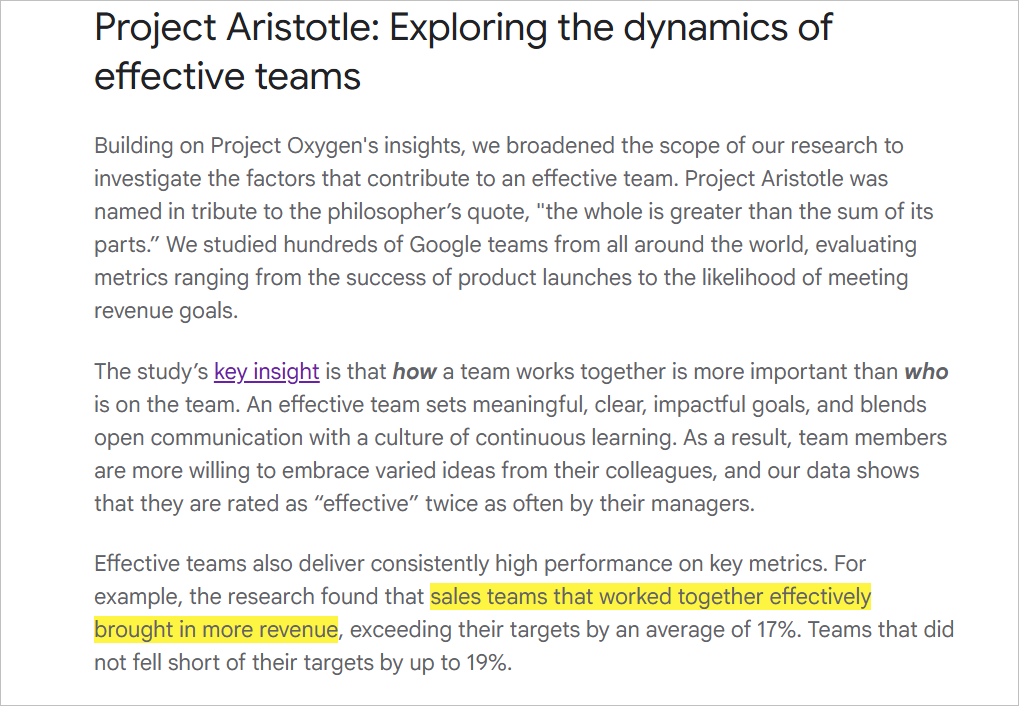
Google’s manager research also connects effective management with productivity, job satisfaction, learning opportunities, and a stronger sense of purpose.
This shows why engagement matters beyond employee satisfaction. When employees work well together, understand their goals, develop their skills, and trust their managers, the organization benefits too.
What companies can learn: Connect engagement programs to outcomes such as productivity, retention, teamwork, learning, and business performance.
How does corporate gifting improves employee engagement
Corporate gifting can make employees feel seen, valued, and appreciated. A thoughtful gift shows that the company recognizes their effort and contribution, which can create a stronger emotional connection with the workplace.
It can also boost morale during important moments such as festivals, work anniversaries, employee milestones, or successful project completions. When employees receive something that feels personal and useful, the gesture can make recognition more meaningful.
Regular gifting can also help build a positive workplace culture. It gives companies a simple way to celebrate employees, strengthen relationships, and create shared experiences.
TapWell offers personalized and branded corporate gifts, welcome kits, rewards, hampers, and more than 4,300 products to help companies create meaningful employee gifting experiences.